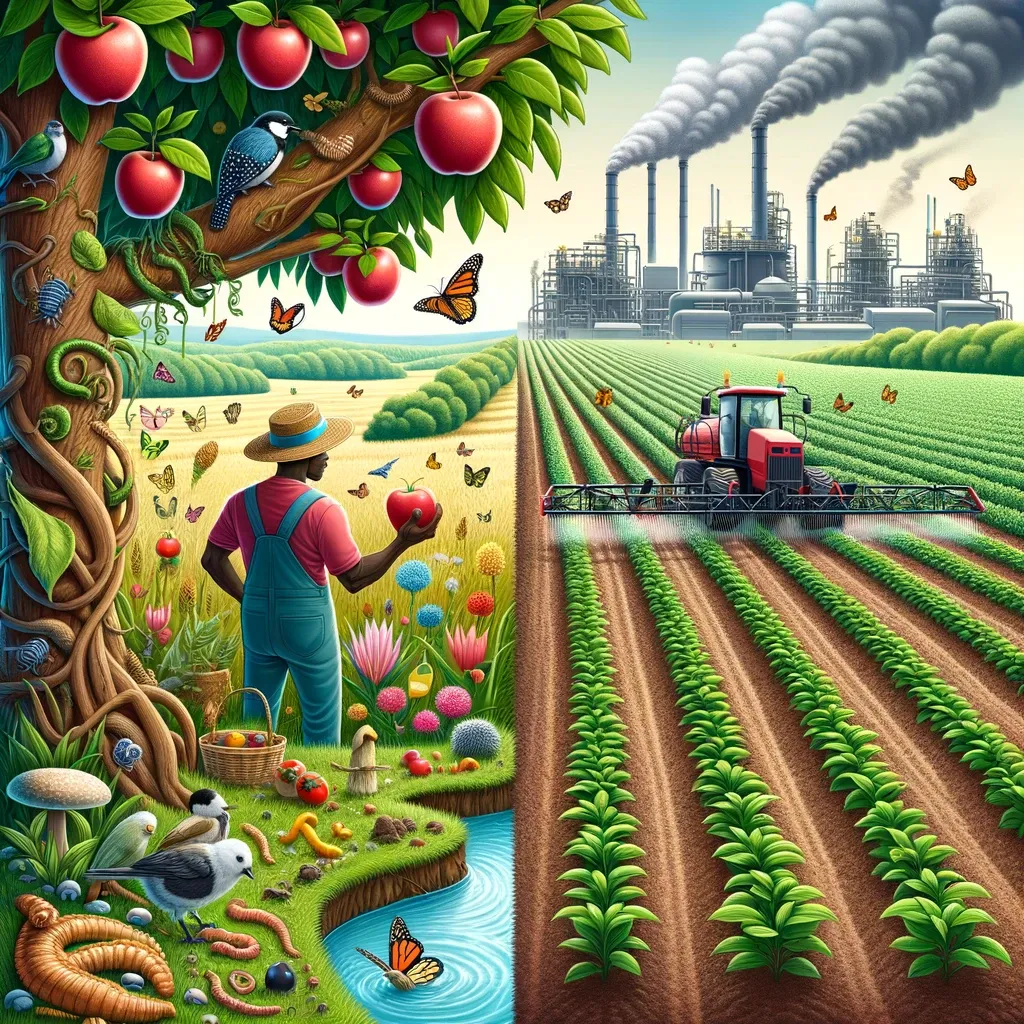
Organic vs Non-Organic: What Really Matters
Organic vs Non-Organic: What Really Matters
"Organic" is not just a fancy sticker on your apple or a trend on your social media feed – it's a whole different approach to farming and food. So, what's the real deal behind organic labels, and do they justify the price tag? Let’s get our hands dirty with the truth about organic versus non-organic foods.
What Does Organic Even Mean?
Organic refers to the way agricultural products are grown and processed. For crops, it means they were grown without the use of synthetic pesticides, genetically modified organisms (GMOs), petroleum-based fertilizers, or sewage sludge-based fertilizers.
The Nutrient Debate: Is There a Difference?
While it's a common claim that organic foods are more nutritious, the evidence is mixed. Some studies show higher antioxidant levels in organic produce, while others find no significant difference. The nutritional content can be less about organic versus non-organic and more about the soil health and farming practices.
Pesticide Residue: Less is More
The main benefit of organic foods is the reduction in exposure to pesticide residues. The Environmental Working Group (EWG) lists the "Dirty Dozen" each year – a list of produce with the highest levels of pesticide residue that's best bought organic.
But It's Not Just About You
Choosing organic has environmental implications. Organic farming practices are designed to reduce pollution, conserve water, reduce soil erosion, increase soil fertility, and use less energy. Plus, farming without pesticides is better for nearby birds and animals, as well as people who live close to farms.
The Cost Consideration
Organic foods generally cost more than their non-organic counterparts. However, the price difference is decreasing as organic farming scales up. And for many, the extra cost is worth it for the environmental benefits and reduced pesticide exposure.
How to Make Informed Choices
Know the "Dirty Dozen": Focus your organic purchases on these items.
Local & Seasonal: Sometimes local, seasonal produce can be better than organic from far away.
Grow Your Own: Even a small garden can give you a personal supply of organic herbs and veggies.
Conclusion
Whether to go organic is a personal choice that can be based on health concerns, environmental impact, and budget. Understanding the real differences helps you make informed decisions that align with your values and health goals.
References

